More than just saving teeth – dental clinic in Athens helps those in need
In Athens, access to quality dental care is a question of financial means. You can often tell by looking at someone’s teeth whether they are living without health insurance, sleeping on the streets, are a refugee, or are having to get by on very little money. This is exactly where the work of our partner Hellenic Ministries at the Good Samaritan Centre comes in – with a small dental clinic that provides more than just medical aid.
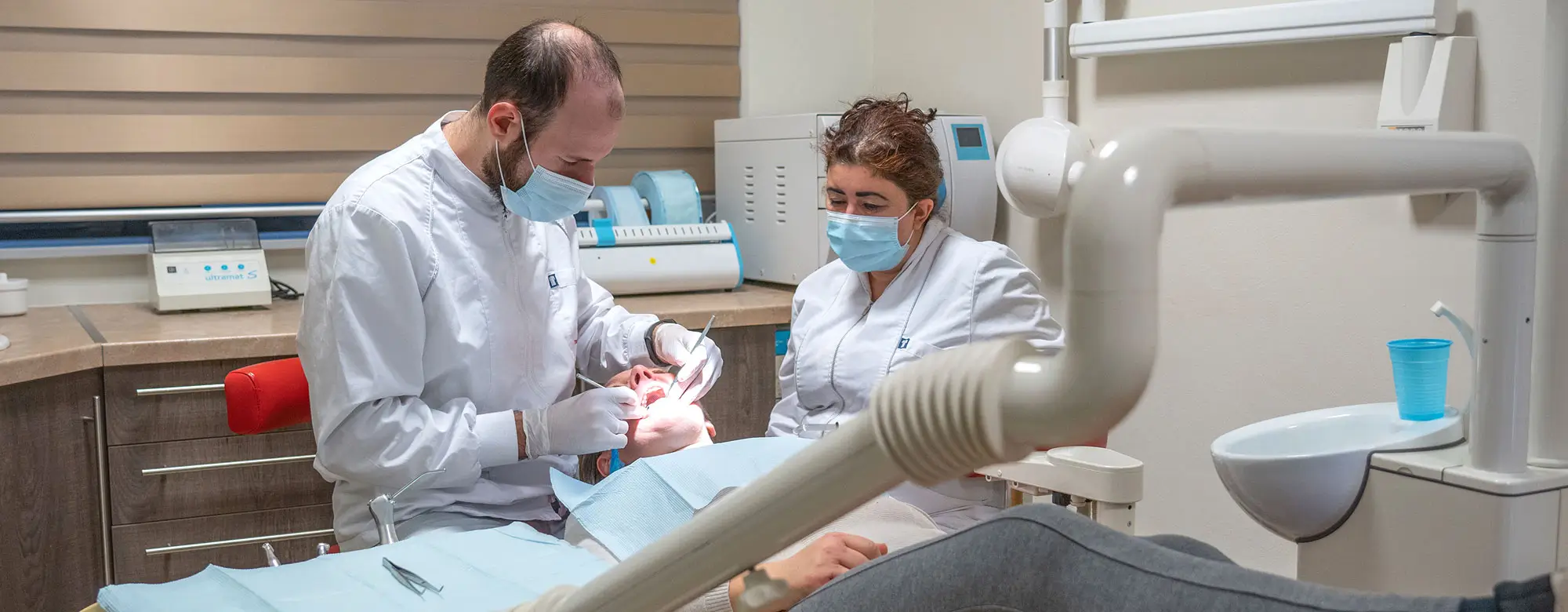
Less than 1,000 meters as the crow flies from the Acropolis, two dentists treat people for whom a regular waiting room is out of reach. One of them is Niko Kotrozinis. He specializes in treatments designed to preserve damaged teeth so that patients can use them again, and he has been working with people on the margins of society for years. In a conversation with wortundtat, he describes what makes this work special – and why it is always about more than just teeth.
Low-threshold and respectful – meeting patients where they are
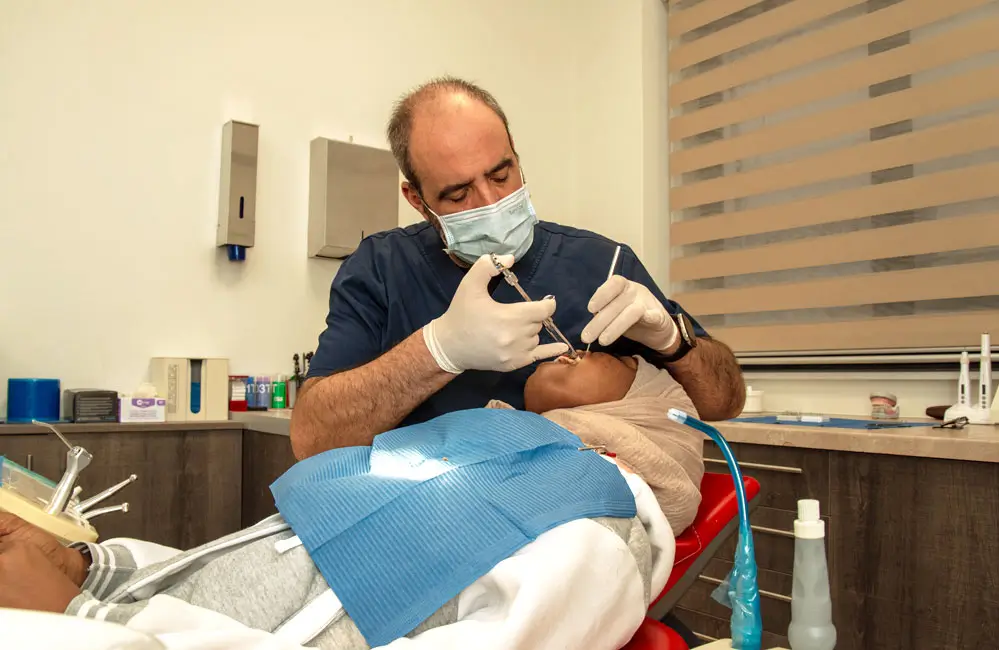
“We are not interested in quick fixes,” says Kotrozinis. While the pain is often severe, the team prioritizes treatment that preserves teeth for as long as possible rather than extracting them prematurely. This is often achieved with simple means but high professional quality that rivals the work done in private practices.
An important part of the work takes place outside the clinic. The team regularly visits refugee shelters, Roma settlements, or other facilities. There, they provide information about dental health, carry out preventive work, and build trust with future patients. “Many people are afraid of dental treatment – especially if they don’t speak the language or have had bad experiences with dentists,” explains Kotrozinis. He and his colleague overcome this hurdle with the help of translators. They help to break down barriers and foster understanding.
Great gratitude – because life stories matter here
The patients who come to the Good Samaritan Centre share the experience of often being overlooked in the regular healthcare system. At the Hellenic Ministries clinic, they experience the opposite. Many find their way to the practice through personal recommendations. Those who have a good experience here tell others about it. “It always touches me how grateful people are that they are taken seriously with their pain and their life stories,” says Kotrozinis.
Barriers can fall – a good network helps
Making dignity visible – patients are not numbers
Kotrozinis does not describe what personally drives him in medical terms. “The people who come to us are not cases or numbers,” he says.
“They are individuals with hopes, with wounds – and with a dignity that no one can take away from them. We want to view them holistically.”