Helfen Sie zusammen mit uns Menschen in Not!


Mit Bildung helfen
Bildung ist unverzichtbar, damit Menschen eigenständig werden, um nicht lebenslang abhängig zu sein, um Möglichkeiten einschätzen und nutzen zu können, die die Welt bietet. Daher haben Bildungsangebote in den wortundtat-Projekten einen hohen Stellenwert. Warum und welche Bildung nötig ist, ist von Land zu Land unterschiedlich.


Mit Gesundheit helfen
Krankheiten sind nicht zwangsläufig bedrohlich. Unbehandelt werden sie es aber leicht. Das geschieht zum Beispiel, wenn Kranke sich den Arzt nicht leisten können oder keinen Zugang zu medizinischen Angeboten haben. Die wortundtat-Partner schaffen da Abhilfe, wo das staatliche Gesundheitssystem Menschen nicht erreicht, die Unterstützung oder Behandlung brauchen.

Diakonisch helfen
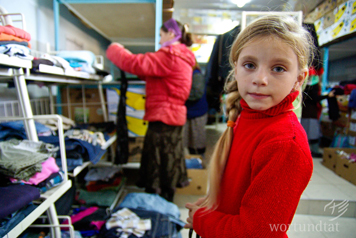
Weltweit sind neben staatlicher Fürsorge Nicht-Regierungs-Organisationen unverzichtbar, wenn Dienste für Menschen gebraucht werden, die besondere Hilfen benötigen. Bei wortundtat waren sozial-diakonische Angebote oft Ausgangspunkt der Arbeit. In allen Projekten bieten sie auch die Möglichkeit, den christlichen Glauben kennenzulernen.
„Gott liebt die Menschen.
Wir zeigen es ihnen – in Wort und Tat!
Lernen Sie unsere Arbeit kennen
Neue berufliche und geistliche Perspektiven, wo bislang Möglichkeiten zur Teilhabe an der Gesellschaft fehlten.
Tatkräftige, individuelle Hilfe für Menschen, die von anderen Angeboten nur unzureichend erreicht werden.
Liebevolle Zuwendung verbunden mit der Botschaft, dass jeder Mensch ein geliebtes Geschöpf Gottes ist.
Diese Merkmale kennzeichnen die Angebote, die wortundtat zusammen mit seinen Partnern Menschen in verschiedenen Regionen dieser Welt macht.


Griechenland – Hellenic Ministries
Unser Partner Hellenic Ministries unterstützt in Athen Menschen vielseitig, die von anderer Seite nicht mit Hilfe rechnen können. Verarmte Griechen und Osteuropäer erreichen die Helfer ebenso wie Flüchtlinge, die in Athen stranden. Ein Begegnungszentrum hilft bei der Integration von Roma in die griechische Gesellschaft.


Tansania – KIUMA
Unser Partner KIUMA unterhält in einer sehr abgelegenen Region des Landes eine Sekundarschule. Ausbildungsangebote schaffen Berufsperspektiven für junge Erwachsene und Menschen aus einem großen Umkreis können sich in einem mit Krankenhaus mit rund 100 Betten behandeln lassen.


Republik Moldau – Gloria
Medizinische Fachkräfte unseres Partners Gloria untersuchen und behandeln Kranke in der Ambulanz oder zuhause. Diakonische Angebote helfen Hungernden, Obdachlosen und anderen Bedürftigen. In Begegnungszentren heißen die Helfenden Kinder willkommen und wenden sich ihnen liebevoll zu.

Deutschland – Stern im Norden
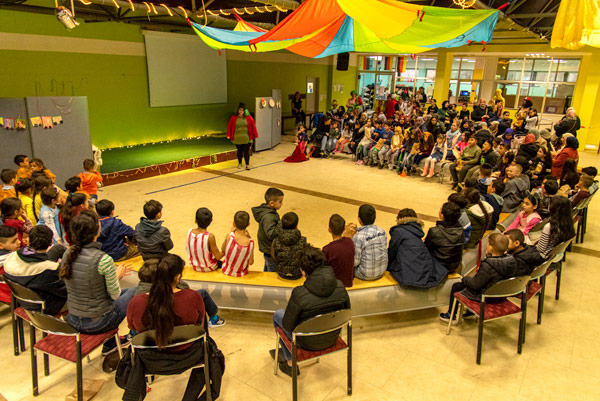
In dem großen Begegnungszentrum unseres Partners haben Kinder Platz zum Spielen und Lernen. Sie erhalten Aufmerksamkeit und Fürsorge. Eltern finden Ansprechpartner und Möglichkeiten zum Austausch und Jugendliche haben Raum für eigene Aktivitäten. Das Angebot strahlt in den multikulturell geprägten Stadtteil.

Da kann man nur weglaufen – oder helfen.
Dr. Heinz-Horst Deichmann, wortundtat-Gründer

wortundtat – Unser Jahresbericht
Im ersten Quartal eines Jahres veröffentlichen wir eine umfassende Darstellung unserer Arbeit im Jahresbericht, ergänzt um aktuelle Informationen aus den Projekten. Den jeweils aktuellen Bericht senden wir Ihnen gern per Post. Sie können ihn auch gerne hier als PDF herunterladen.
Aktuelle Themen
Fluthilfe für Menschen in Griechenland
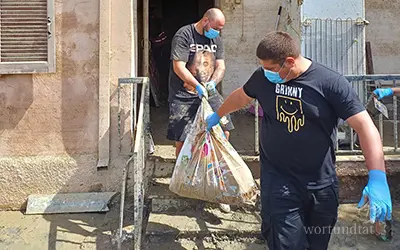
Mit Spenden aus Deutschland brachte der griechische wortundtat-Partner schnelle Hilfe für die Flutopfer auf den Weg.

Stern im Norden zu Hause
wortundtat unterstützt Familien im „Stern im Norden“, Dortmund, mit interkulturellen Angeboten für Kinder, Jugendliche und Eltern

wortundtat Spendensiegel 2023
Spenden kommen bei Menschen in Not an. wortundtat erhält seit 1992 durchgehend DZI-Spendensiegel
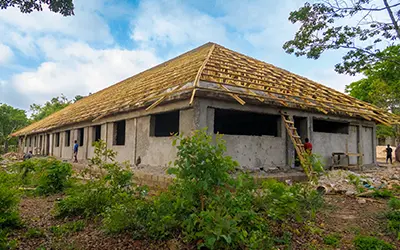
Instandhaltung und nachhaltiger Ausbau in KIUMA
In den vergangenen Monaten haben wir in unserem südtansanischen Projekt hinter den Kulissen eine Reihe wichtiger Instandhaltungs- und Ausbauarbeiten erledigt.
Fluthilfe für Menschen in Griechenland
Mit Spenden aus Deutschland brachte der griechische wortundtat-Partner schnelle Hilfe für die Flutopfer auf den Weg.
Stern im Norden zu Hause
wortundtat unterstützt Familien im „Stern im Norden“, Dortmund, mit interkulturellen Angeboten für Kinder, Jugendliche und Eltern
wortundtat Spendensiegel 2023
Spenden kommen bei Menschen in Not an. wortundtat erhält seit 1992 durchgehend DZI-Spendensiegel
Instandhaltung und nachhaltiger Ausbau in KIUMA
In den vergangenen Monaten haben wir in unserem südtansanischen Projekt hinter den Kulissen eine Reihe wichtiger Instandhaltungs- und Ausbauarbeiten erledigt.
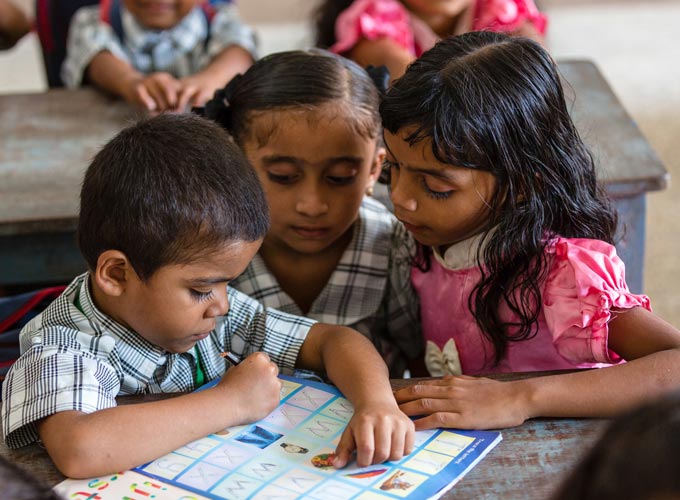
wortundtat – Seit über 45 Jahren helfen wir in Not
Seit über 45 Jahren unterstützt die christliche Hilfsorganisation wortundtat Bedürftige. Heute begleiten wir Projekte in Deutschland, Griechenland, der Republik Moldau und in Tansania. Das Ziel der Arbeit: Wir helfen Menschen in Not auf dem Weg zu einem würdevollen Leben. Wir ermöglichen ihnen, sich selbst zu helfen. Und wir zeigen mit dem christlichen Glauben ein Fundament auf, das auch jenseits von satt und gesund noch tragfähig ist.
wortundtat – Seit über 45 Jahren helfen wir in Not
Seit über 45 Jahren unterstützt die christliche Hilfsorganisation wortundtat Bedürftige. Heute begleiten wir Projekte in Deutschland, Griechenland, der Republik Moldau und in Tansania. Das Ziel der Arbeit: Wir helfen Menschen in Not auf dem Weg zu einem würdevollen Leben. Wir ermöglichen ihnen, sich selbst zu helfen. Und wir zeigen mit dem christlichen Glauben ein Fundament auf, das auch jenseits von satt und gesund noch tragfähig ist.